CABwellness.com


Move After You Munch: The Surprising Benefits of Post-Meal Exercise
Walking or doing light movement routines shortly after a meal can be an effective strategy for supporting fat loss and weight management.
Carlos A. Bracuto
6/6/20263 min read
Walking or doing light movement routines shortly after a meal can be an effective strategy for supporting fat loss and weight management. This approach helps moderate post-meal blood sugar rises, increases energy expenditure, and encourages your muscles to use the nutrients from the meal as fuel. As a result, more of the consumed energy is directed toward immediate use rather than long-term storage.
Why Post-Meal Walking or Gentle Movement Works
· Reduces Blood Sugar Spikes: Taking a walk or performing gentle movements after a meal help your muscles immediately use glucose from the bloodstream for energy. This reduces sharp blood sugar spikes and helps keep insulin levels more stable. Because insulin is the primary hormone responsible for storing excess energy, lower and more controlled insulin responses can reduce fat storage and encourage your body to use the calories you just consumed rather than storing them as fat.
· Increases Daily Calorie Expenditure: Sustainable weight loss requires maintaining a caloric deficit, meaning you burn more calories than you consume. Incorporating a 10-minute light movement routine or a 20-minute walk after meals is a simple and practical way to increase daily energy expenditure and accumulate more physical activity throughout the day. Over time, these additional calories burned can contribute meaningfully to weight loss, making it easier to achieve and maintain a caloric deficit without relying on strenuous exercise.
· Supports Healthy Digestion: A gentle walk or movement routine after a meal can help stimulate the digestive process by promoting the movement of food through the stomach and intestines. This may enhance gastric emptying and support overall digestive function, helping to reduce common post-meal discomforts such as bloating, indigestion, and acid reflux. As a result, you may feel lighter, more comfortable, and energized after eating.
How to Maximize the Benefits of Post-Meal Movement
• Timing: Begin your walk or movement set as soon as practical after eating—ideally within 30 minutes of finishing your meal. This is when blood glucose levels are starting to rise, allowing your muscles to use circulating glucose for energy and helping to minimize post-meal blood sugar spikes.
• Duration and Intensity: Aim for a 10-minute light movement routine or a 20-minute walk at a sustained pace.
• Consistency: The greatest benefits come from making post-meal movement a regular habit. A short walk or light movement routine after your largest meals each day is often more sustainable—and can have a greater long-term impact on weight management and metabolic health—than occasional high-intensity workouts.
Walk Outdoors or Move at Home?
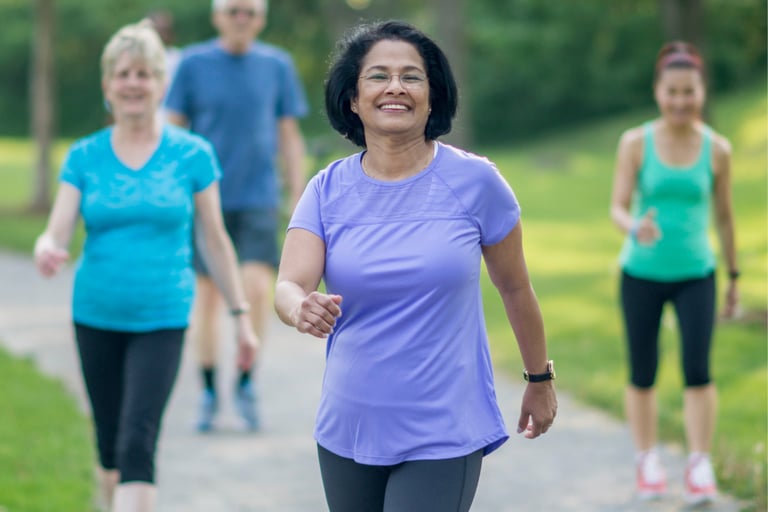
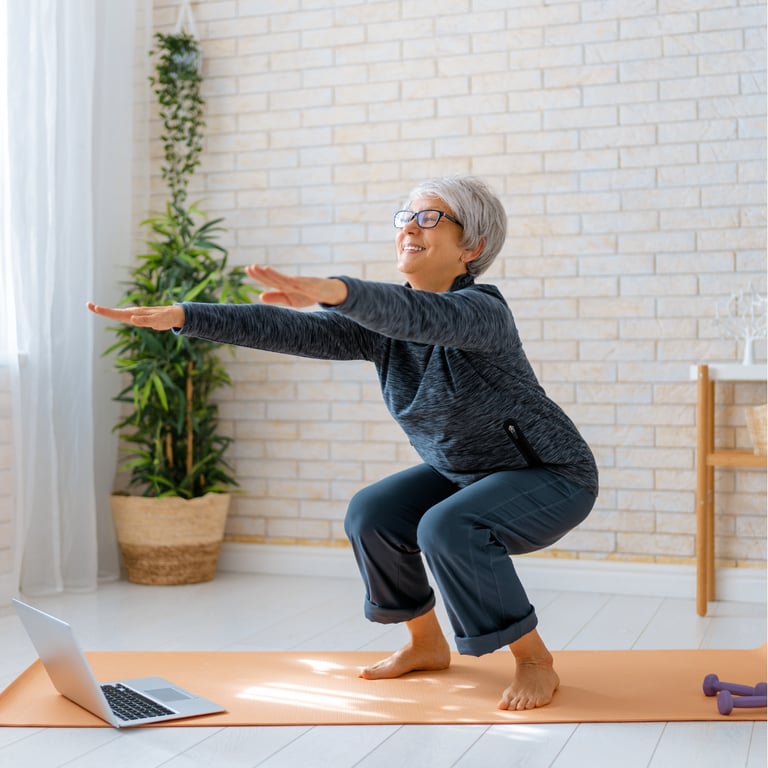
If you enjoy taking a walk around the neighborhood, by all means, go for it—it’s an excellent way to reap the benefits of post-meal movement. The fresh air is invigorating and walking around the neighborhood promotes socialization and creates community. However, in my professional experience, many people find it more convenient and sustainable to stay active at home rather than heading outside, especially right after lunch or dinner. That’s why I designed a simple 10-minute movement routine that can be done in the comfort of your home. It provides many of the same metabolic and digestive benefits as a post-meal walk while eliminating common barriers such as bad weather, time constraints, or lack of motivation to go out.
A Note on Exercise Intensity After Meals
While light physical activity is generally beneficial after eating, vigorous exercise immediately following a meal may lead to digestive discomfort. High-intensity activity can divert blood flow away from the digestive system and may increase the risk of symptoms such as abdominal cramps, bloating, nausea, acid reflux, heartburn, and general discomfort. For this reason, it is advisable to wait at least 60 minutes after a meal—or longer after a large meal—before engaging in strenuous exercise. In the meantime, walking or gentle movements are the most comfortable and effective option for supporting digestion, metabolic health and weight loss.
Consult your physician or qualified healthcare professional before beginning this or any new fitness, exercise, or weight-loss program.
The following movement routine should be performed at light intensity.
My 10-minute post meal movement routine
(See video "Post-Meal Movement Set" in the "Videos" Page of this Website)
· March (30 seconds)
· V-Steps (30 seconds)
· March (30 seconds)
· Alternate kick + punch (30 seconds)
· March (1 minute)
· Walking jacks (30 seconds)
· March (1 minute)
· Buttkicks + arm pulls (30 seconds)
· March (1 minute)
· Torso rotation + cross knee touch (30 seconds)
· March (1 minute)
· Step back + arm fly (30 seconds)
· March (1 minute)
· Squat + arm forward raise (30 seconds)
· Slow march / stop (30 seconds)