CABwellness.com


Strong, Healthy, and Lean: A Senior’s Roadmap to Losing 10 Pounds
Losing 10 pounds can improve mobility, energy levels, heart health, and overall quality of life. Looking better doesn’t hurt, either
Carlos A. Bracuto
6/7/20264 min read
Losing 10 pounds can improve mobility, energy levels, heart health, and overall quality of life. Looking better doesn’t hurt, either. For seniors, the safest approach is gradual weight loss through healthy eating, regular physical activity, and sustainable lifestyle habits. A realistic goal is to lose approximately 1 pound per week, which means reaching a 10-pound weight-loss target in about 10 weeks.
The Nutrition Strategy
Nutrition plays the biggest role in weight loss. Seniors should focus on eating nutrient-dense foods that provide essential vitamins, minerals, protein, and fiber while reducing excess calories.
Start by filling at least half of each plate with vegetables such as broccoli, spinach, carrots, green beans, or mixed salads. Vegetables are low in calories and high in fiber, helping you feel full longer.
Choose lean protein sources at every meal. Protein helps preserve muscle mass, which naturally declines with age and is important for maintaining strength and metabolism.
Replace refined carbohydrates such as white bread, pastries, and sugary snacks with whole grains like oatmeal, brown rice, whole-wheat bread, and quinoa, which are also a good source of protein. Whole grains provide longer-lasting energy and better appetite control.
Avoid sugary drinks and desserts, and highly processed foods. Instead, drink water, unsweetened tea, or sparkling water. I like adding electrolytes to water for better hydration and flavor. Staying hydrated can also help reduce unnecessary snacking.
A simple guideline is to eat three balanced meals per day and include healthy snacks only when genuinely hungry. Keeping portions moderate. Eating slowly can prevent overeating.
The fitness strategy
Cardio Exercise Plan
Cardiovascular exercise helps burn calories, improve heart health, and increase stamina. Seniors should choose activities that are comfortable and appropriate for their fitness level.
Begin with 20 to 30 minutes of moderate-intensity cardio at least four days per week. Walking is one of the best options because it is accessible and easy to adjust in intensity. Other excellent choices include swimming, water aerobics, cycling on a stationary bike, or low-impact exercises.
As fitness improves, gradually increase activity to 150 to 300 minutes of moderate exercise per week. For example, a senior might walk briskly for 30 minutes five days per week and add an additional longer walk on weekends.
The goal is to exercise at an intensity where conversation is possible but slightly challenging.
Strength Training Plan
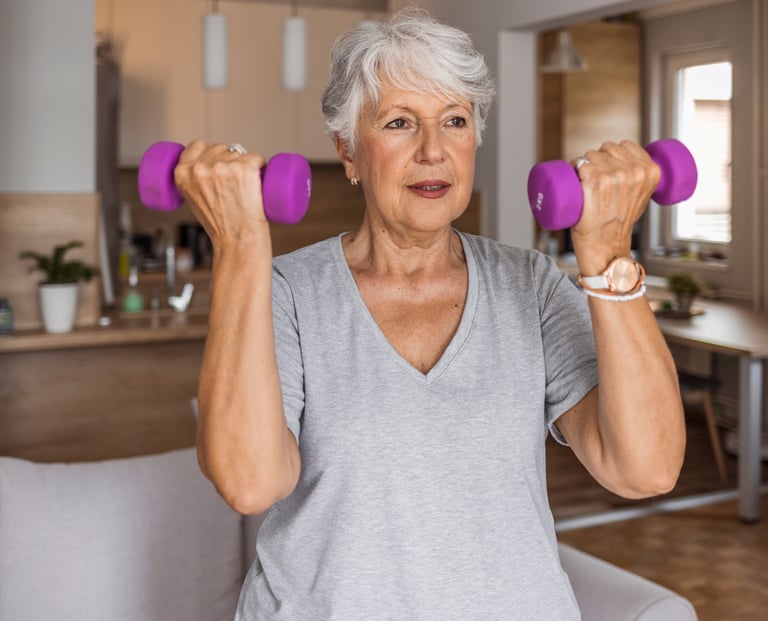
Strength training is especially important for seniors because it helps preserve muscle mass, maintain bone density, and support daily activities.
Perform strength-training exercises two to three times per week on non-consecutive days. Begin with one set of 8 to 12 repetitions and gradually progress to two or three sets as strength improves.
Always use controlled movements and focus on proper form. If balance is a concern, perform exercises near a sturdy chair or countertop for support.
The Lifestyle Changes Strategy
Successful weight loss involves more than food and exercise. Small lifestyle improvements can significantly increase results.
Aim for seven to eight hours of sleep each night. Poor sleep can increase hunger hormones and make weight management more difficult. Establish a regular bedtime routine and avoid large meals close to bedtime.
Manage stress through activities such as reading, gardening, meditation, or spending time with friends and family. Chronic stress may contribute to emotional eating and weight gain.
Track progress weekly rather than daily. Weigh yourself once per week at the same time of day and monitor other improvements such as increased energy, better endurance, or looser-fitting clothing.
Planning meals ahead of time can also reduce impulsive food choices. Keeping healthy foods readily available makes it easier to stay on track.
Key Guidelines
Create a Calorie Deficit: Weight loss occurs when you consistently burn more calories than you consume. As a general guideline, creating a calorie deficit of approximately 3,500 calories can result in the loss of about one pound of body weight. For many people, achieving a daily calorie deficit of around 500 calories through a combination of healthy eating and regular physical activity may lead to a gradual weight loss of about one pound per week. Individual results may vary based on factors such as age, metabolism, body composition, and activity level.
Avoid Crash Diets: The U.S. Centers for Disease Control and Prevention (CDC) and other health experts recommend avoiding highly restrictive diets and extremely low-calorie eating plans. Consuming too few calories—generally fewer than 1,200 calories per day for women or 1,500 calories per day for men unless medically supervised—can lead to the loss of muscle mass and water rather than body fat. Severe calorie restriction may also slow your metabolism, reduce energy levels, and make it more difficult to maintain long-term weight loss. A balanced, sustainable approach to nutrition is more effective for achieving lasting results while supporting overall health.
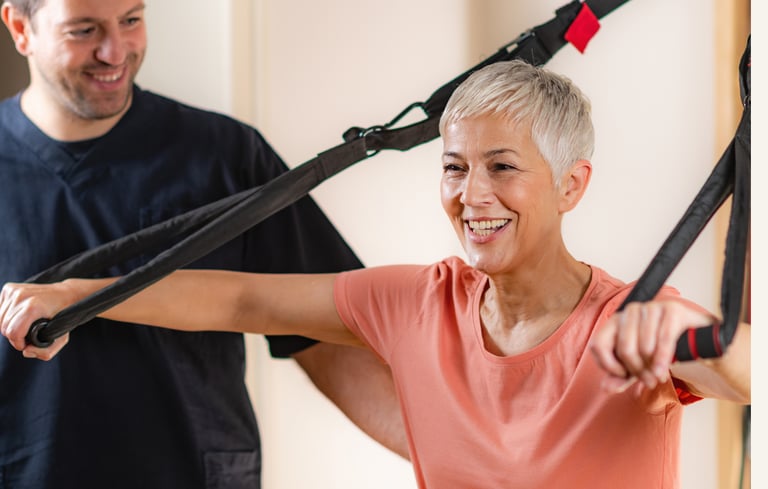
Work with a Personal Trainer: Partnering with a qualified personal trainer can significantly improve your chances of achieving your weight-loss goals. A trainer can design a customized exercise program based on your fitness level, health history, and individual needs, helping you exercise safely and effectively. They also provide accountability, motivation, and ongoing support, which can make it easier to stay consistent with your workouts and healthy habits. In addition, a personal trainer can ensure you use proper form, reduce your risk of injury, and adjust your program as you progress, helping you achieve sustainable, long-term results.
Invest on Sustainable Habits: Lasting weight loss is best achieved through healthy habits that you can maintain over time. Build your meals around nutrient-dense foods such as lean proteins, whole grains, fruits, vegetables, and healthy fats. Pair a balanced diet with regular physical activity, including both cardiovascular exercise and strength training, to support fat loss, preserve muscle mass, and improve overall health. Small, consistent changes are often more effective—and easier to sustain—than drastic diet or exercise programs.
Seek Medical Guidance for Rapid Weight Loss: If your goal is to lose weight quickly—for example, 10 pounds in two weeks—it is important to do so under the supervision of a healthcare professional. Rapid weight loss often requires carefully monitored nutrition plans, specialized interventions, or prescription treatments that are tailored to an individual's health status and needs. Medical oversight can help ensure that weight loss is achieved as safely as possible while minimizing potential risks such as nutrient deficiencies, dehydration, muscle loss, or other health complications.
Healthy Habits for Lasting Results
Losing 10 pounds as a senior is an achievable goal when approached gradually and safely. By eating nutritious foods, staying active with regular cardio and strength training, improving sleep, and maintaining consistent habits, seniors can achieve lasting weight loss while enhancing their overall health and independence. The key is consistency, determination and making changes that can be maintained for the long term.