CABwellness.com


The Anatoly Effect - Why Bigger Muscles Are Not Always Stronger
Strength is not determined by appearance alone but by how the body is trained to perform a particular task.
Carlos A. Bracuto
3/1/20262 min read
You may have watched—and laughed at—the videos of the seemingly clumsy “janitor” known as Anatoly. His real name is Vladimir Shmondenko, a Ukrainian powerlifter, fitness influencer, and content creator who rose to fame through his viral gym prank videos. In these clips, he disguises himself as a cleaner, maintenance worker, or elderly man, then astonishes unsuspecting gym-goers by effortlessly lifting weights that many larger, more muscular athletes struggle to move. The reactions are often a mix of disbelief, confusion, and admiration. How can someone with such an unassuming physique display such extraordinary strength? The first answer is simple: years of dedicated training. The second is equally important: training specificity.
Many people assume that larger muscles automatically mean greater strength. While muscle size and strength are related, they are not the same thing. In fact, individuals with smaller muscles can often outperform larger, more muscular people in tests of pure strength. This difference exists because muscle hypertrophy and muscle strength are influenced by different physiological adaptations.
Muscle Hypertrophy
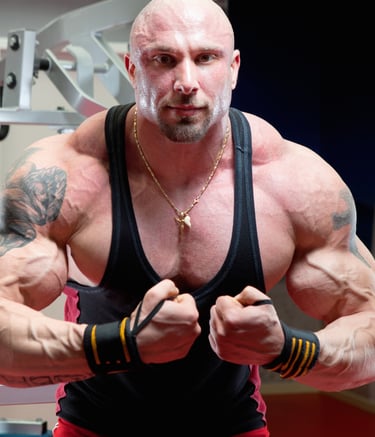
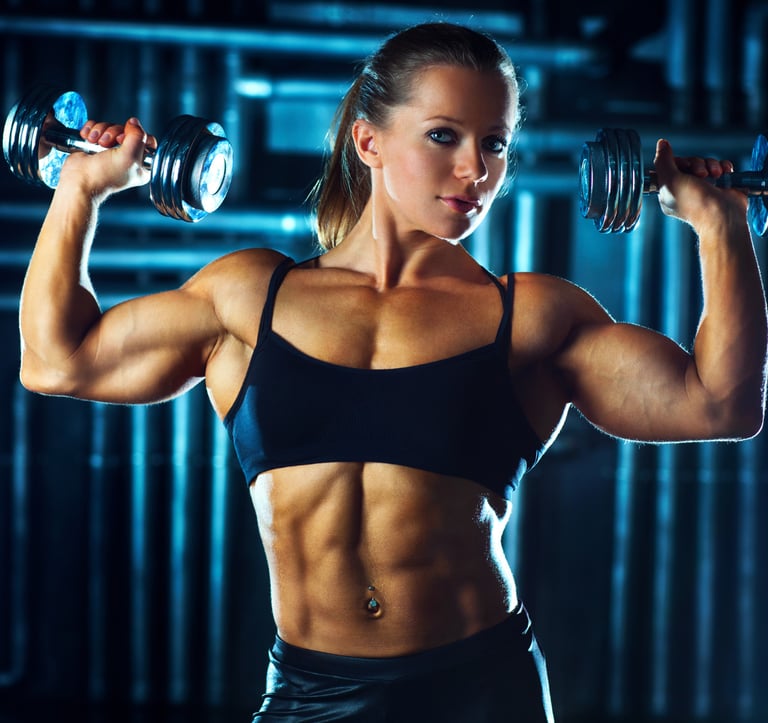
Muscle hypertrophy refers to the increase in muscle size, typically achieved through bodybuilding-style training. This type of training focuses on moderate weights, higher repetitions, and sufficient training volume to stimulate muscle growth. As muscle fibers experience stress, they repair and grow larger, increasing the overall size of the muscle. However, bigger muscles do not always translate into proportionally greater force production.
Muscle Strength
Strength, on the other hand, depends heavily on the nervous system. When people train specifically for strength, they often use heavier weights and lower repetitions. This approach teaches the nervous system to recruit a greater percentage of available muscle fibers at the same time. It also improves coordination between muscles and enhances the efficiency of movement patterns. As a result, an athlete can become significantly stronger without gaining much muscle mass.
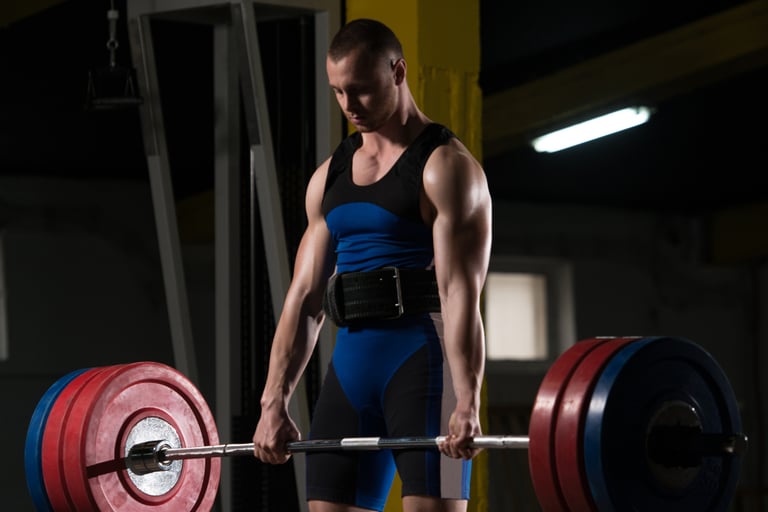
Powerlifters and Olympic weightlifters are good examples of this principle. Many athletes in these sports have physiques that appear less muscular than professional bodybuilders, yet they can lift substantially heavier weights. Their training is designed to maximize force production rather than muscle size. Years of strength-focused training allow them to activate their existing muscle mass more effectively.
Another factor is the type of hypertrophy that occurs. Some muscle growth results from an increase in the fluid and energy-storage components within muscle cells, a process known as sarcoplasmic hypertrophy. This can make muscles appear larger without a corresponding increase in strength. Strength athletes tend to develop more myofibrillar hypertrophy, which involves growth of the contractile proteins responsible for generating force.
Bodybuilders and strength athletes therefore pursue different goals. Bodybuilders prioritize muscle size, symmetry, and appearance, while strength athletes focus on maximizing performance. Although larger muscles can contribute to greater strength potential, size alone is not the determining factor.
This is why someone with smaller muscles can often be considerably stronger than a bodybuilder with much larger muscles.