CABwellness.com


Your Body's Hidden Superpower: The Amazing Process of Training Adaptation
One of the most remarkable qualities of the human body is its ability to adapt.
Carlos A. Bracuto
7/28/20263 min read
Every day, your muscles, bones, heart, lungs, and nervous system respond to the activities you perform on a regular basis. This principle, known as adaptation, explains why exercise can make you stronger, healthier, and more energetic—and why a sedentary lifestyle can gradually lead to weakness and loss of function.
Your body is constantly asking one simple question: What do I need to be prepared for? If you regularly challenge your muscles, your cardiovascular system, and your balance, your body adapts by becoming stronger and more efficient. However, if you spend most of your day sitting, moving very little, and avoiding physical challenges, your body assumes those abilities are no longer necessary. Over time, it begins to reduce them.
Stimulate yourself
As people become more sedentary, they naturally lose muscle mass, strength, flexibility, mobility, and endurance. Everyday tasks that were once easy—such as climbing stairs, carrying groceries, lifting luggage, or getting up from the floor—may become increasingly difficult. This decline is not simply a result of aging. In many cases, it is the result of disuse.
Muscle tissue requires regular stimulation to remain healthy. When you stop using your muscles, your body gradually breaks down muscle proteins, leading to a condition called age-related muscle loss. Reduced muscle mass also slows metabolism, decreases balance, and increases the risk of falls and injuries. Fortunately, these changes can often be slowed or even reversed with consistent exercise.
The same principle applies to mobility. If your joints rarely move through their full range of motion, the surrounding muscles and connective tissues become tighter and less flexible. As a result, bending, reaching, twisting, or squatting may become uncomfortable. Regular stretching and mobility exercises help maintain healthy joints and improve the ease of everyday movement.
Energy levels are also influenced by activity. Many people assume they have less energy because they are getting older. In reality, physical inactivity often contributes significantly to fatigue. Regular exercise improves circulation, strengthens the heart and lungs, increases oxygen delivery to the muscles, and enhances the body's ability to produce energy. People who exercise consistently often report feeling more energetic throughout the day than those who are inactive.
Another important adaptation occurs in the nervous system. Practicing balance, coordination, and functional movements improves communication between your brain and muscles. This can enhance reaction time, stability, and confidence while walking or performing daily activities, reducing the likelihood of falls.
Consistency will take you far
The good news is that your body continues to adapt throughout your life. Even people in their 70s, 80s, and beyond can gain strength, improve balance, increase flexibility, and build endurance when they follow an appropriate exercise program. It is never too late to begin. Small, consistent improvements made over weeks and months can produce meaningful changes in health and quality of life.
The key is consistency rather than intensity. You do not need to train like a competitive athlete to enjoy the benefits of exercise. Regular movement, performed safely and progressively, sends your body a clear message: Stay strong. Stay mobile. Stay independent.
Activities Adults Over 50 Can Do to Maintain Muscle Mass, Mobility, and Energy
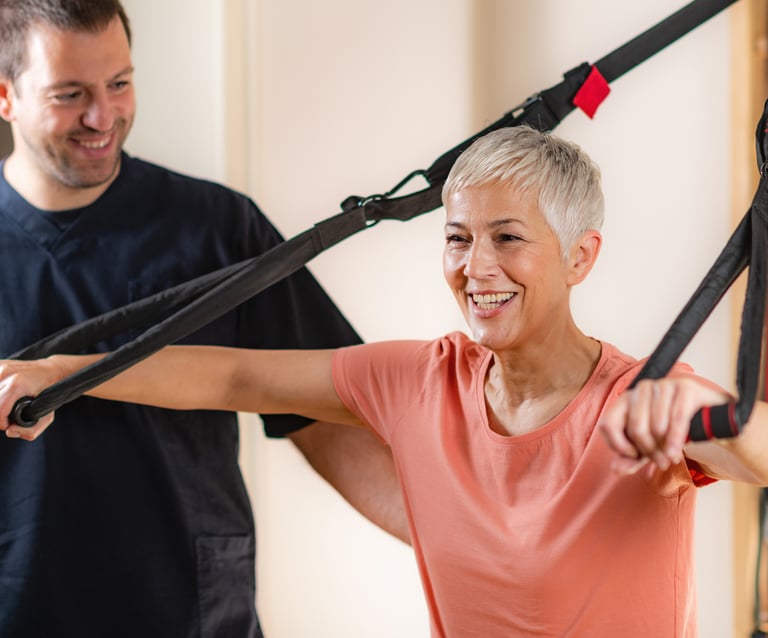
· Strength training two or three times per week using body weight, resistance bands, dumbbells, kettlebells, or weight machines.
· Brisk walking, hiking, cycling, swimming, or other aerobic activities to improve heart health and endurance.
· Stretching and mobility exercises to maintain joint flexibility and reduce stiffness.
· Balance training, such as standing on one leg or practicing simple stability exercises, to reduce the risk of falls.
· Functional exercises like squats, lunges, step-ups, carrying groceries, and getting up from the floor safely.
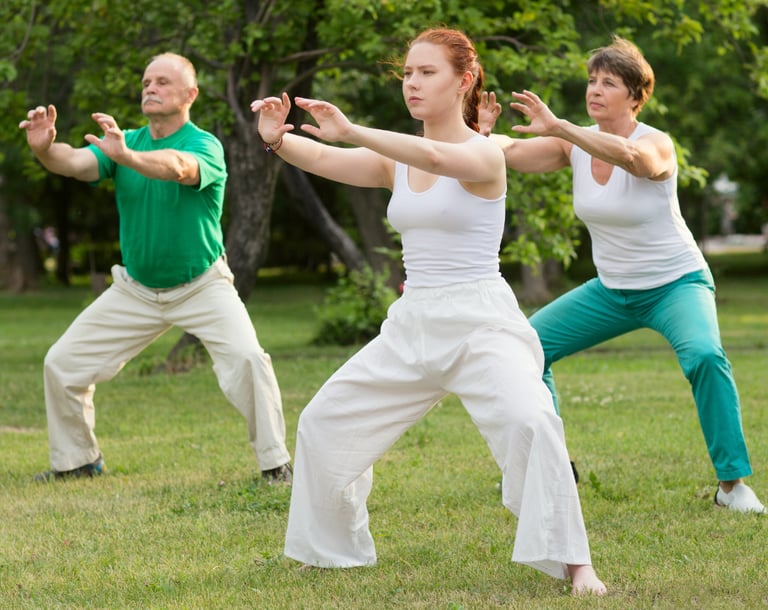
· Yoga, Tai Chi, or Qigong to improve flexibility, posture, balance, breathing, and mind-body awareness.
· Staying physically active throughout the day by taking walking breaks, gardening, climbing stairs, and limiting prolonged sitting.
Remember, your body becomes better at what you ask it to do. If you ask it to move, lift, stretch, and stay active, it will adapt by becoming stronger and more capable. Investing in regular physical activity today can help you maintain your independence, mobility, and vitality for many years to come.